


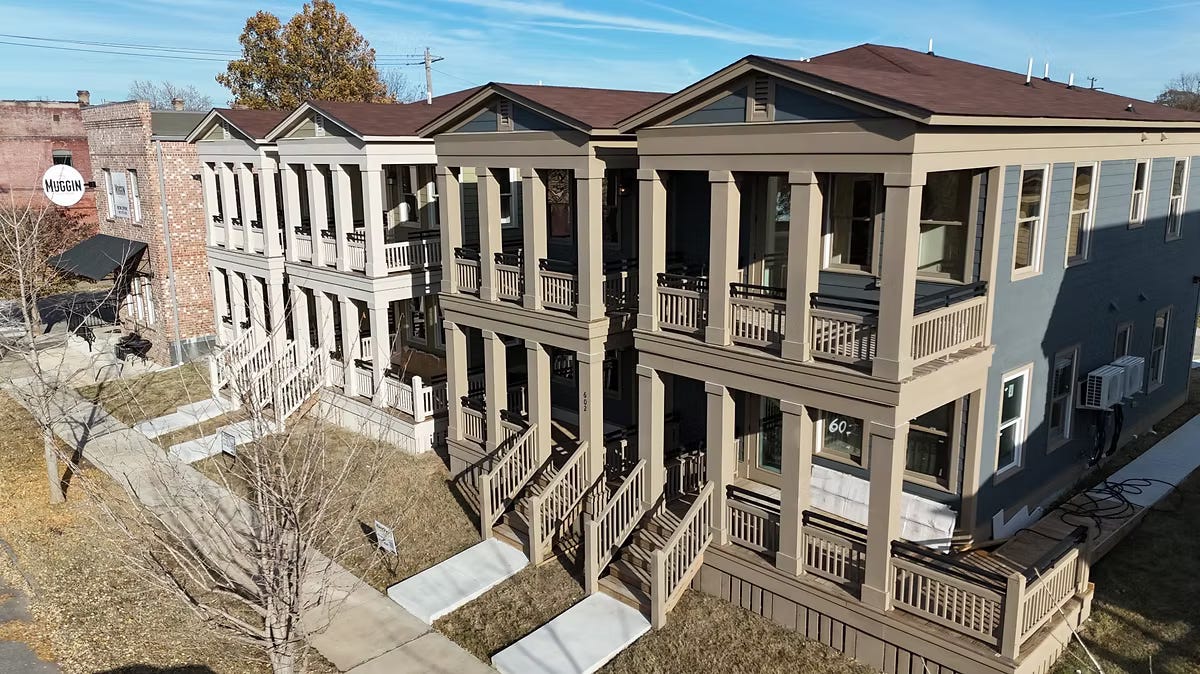
MEMPHIS, TENNESSEE | Something is different about Malone Park Commons in Memphis. The familiar hallmarks of New Urbanism are here: thoughtful architecture, large front porches, an emphasis on the public realm, homes clustered around common spaces, walkable access to nearby amenities, and even a bit of small-scale retail. Downtown Memphis is nearby, as is the northern terminus of the city’s currently dormant trolley line. Yet Malone Park Commons does not feel like most new multifamily development. It does not really feel like an apartment complex at all. It feels like a neighborhood, and an old one at that.
That distinction becomes more interesting when you realize the people living here are renters, and even more interesting when you understand how difficult it is to build something like this. Many clients walk through my door looking for wisdom about how to build new construction rental housing affordably. Most arrive suspecting that the math is brutal. They generally leave knowing that it is.
Remove deeply subsidized affordable housing from the equation, and there are not many tricks available. You need more homes on less land and, generally, smaller homes. You need inexpensive land, inexpensive debt, or preferably both. You need to control construction costs without making the resulting homes miserable. Increasingly, you also need a determined developer willing to fight zoning, development standards, utilities, and approval processes that make small projects disproportionately difficult.
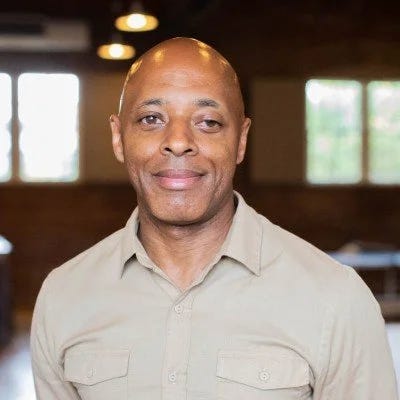
Andre Jones (profiled by Hope Henchy here) is a builder by trade and the son of a brick mason, a natural résumé for an incremental developer. He attended the inaugural Incremental Development Alliance boot camp in 2015, accelerating his pursuit of cottage housing and missing-middle development. When Memphis relegalized accessory dwelling units, Jones built the city’s first new ADU. He went on to build the first fourplex constructed in Memphis in generations. That background matters because Malone Park Commons does not read like a project conceived in a REIT Excel document and handed down through layers of consultants. It feels like a vision worked out on the ground, one problem and one increment at a time.
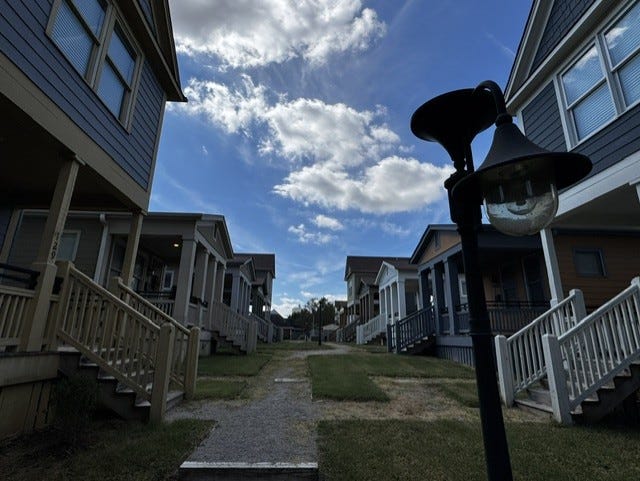
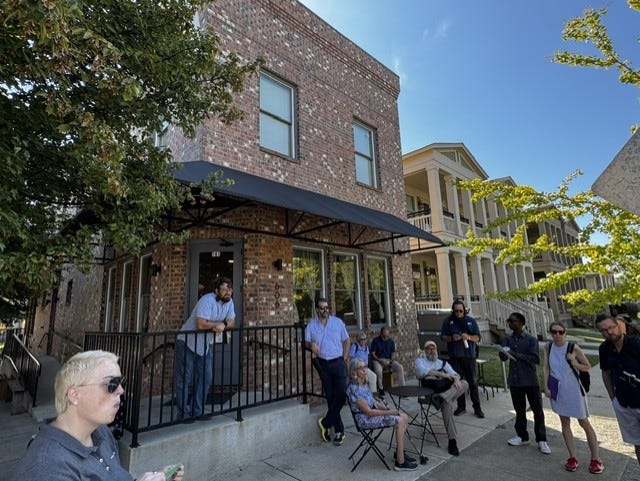
One of the strangest casualties of the modern development pro forma is the front porch. Institutional developers routinely spend enormous sums on leasing centers, fitness rooms, pools, clubhouses, and elaborate common spaces while eliminating one of the cheapest and most effective social spaces American architecture ever invented. Jones kept the porches, and they matter here because the buildings frame the commons so tightly. Before visiting, I would have guessed that the distance between opposing porches was too narrow. I measured roughly 22 feet from porch to porch, and my buddies over at Kronberg Urbanists Architects estimated about 40 feet from front door to front door. Walking the space with colleagues, though, surprised me with how well it worked.
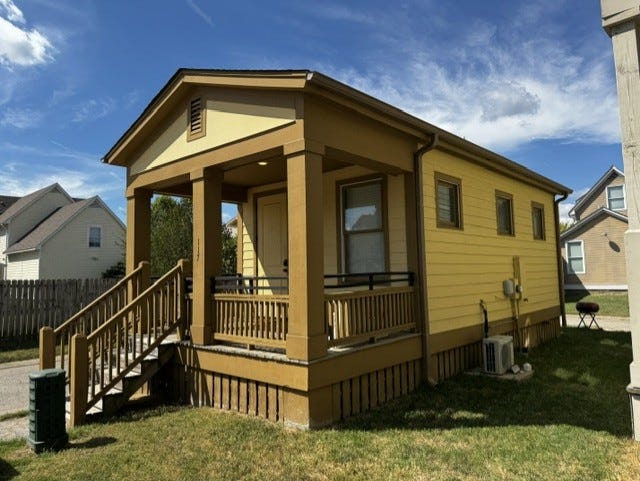
It also made me reconsider one of my own assumptions about pocket neighborhoods. For a for-sale cottage court, I might prefer something closer to 30 feet between porches and 50 feet between doors. Homeowners tend to colonize the semi-private territory around their homes better than renters. They plant gardens, add furniture, and personalize the landscape. We often imagine renters doing the same thing, but in practice rental communities behave differently. Renters have less incentive to invest time and money in landscaping they do not own, and the hard truth is that should probably affect how we design these places. A tighter commons may actually be appropriate for rental housing, provided the transition from public to semi-private to private space is handled carefully.
There are, of course, things I would change. I tour five or ten New Urbanist communities in a typical year, including some of the cream of the crop, places such as I’On and Rosemary Beach, and it is not difficult to walk through Malone Park Commons and find opportunities for improvement. The greens could be landscaped better and framed more deliberately (I suggested to Andrew that string lights framing the ends would do wonders). The semi-private territory approaching each front door could be articulated more clearly with something as simple as an 18” picket fence. Some of the interior materials, including Formica countertops, are unlikely to age particularly gracefully in rental units. These are precisely the sorts of things we coach developers about when working on pocket neighborhoods. I walked through each critique with Jones who, instead of being defensive, was curiouos and inquisitive, wanting to learn other’s opinions in hopes of always doing the next one better.
But Malone Park Commons is not Rosemary Beach. Jones was not selling multimillion-dollar vacation homes. He was building rental housing in Memphis, subject to the very real limits imposed by Memphis rents. The interesting question, then, is not whether Malone Park Commons could have been made more beautiful with a larger budget. Of course it could. The interesting question is what Jones chose to preserve when money was constrained. As with all things unsubject to a trust fund, this is a story about tradeoffs. He preserved the porches, architectural character, a real public realm, small buildings gathered around shared space, and places for tiny businesses. Most importantly, he preserved enough grace that a collection of rental units became something recognizable and definable as a neighborhood. He created a named place.
That is increasingly more interesting to me than another perfectly landscaped luxury New Urbanist development. I get enormous pleasure from places such as I’On and Rosemary Beach, but increasingly I get more value from understanding what small developers accomplish with compressed budgets, fewer consultants and little of the institutional or political crutches that so often accompanies development in America. It is relatively easy to make good urbanism when the buyers can afford almost anything. The more consequential question is how much of it can survive when every square foot and every dollar matters.
Malone Park Commons demonstrates that the answer can be quite a lot, but it was hardly easy. Jones reportedly revised the project’s pro forma more than 30 times trying to make it pencil, and the development ultimately took five years to complete its 35 units. That pace was intentional. Each increment could be built, leased and stabilized before Jones proceeded with the next. As Jones has explained, “Incremental development is just building a community a piece at a time. It’s built by many hands and in many increments.”
We have simply made it extraordinarily difficult to build this way today. Pocket neighborhoods combine many of the things we claim to want from contemporary development: small homes, efficient use of land, shared open space, walkability, lower infrastructure demands, opportunities for social interaction and a physical form capable of serving everyone from young adults to families to retirees. Yet they remain illegal, impractical or unnecessarily difficult to build across America.
Jones’s work helped persuade Memphis to reduce minimum lot sizes, making additional housing easier to build. His work also helped influence state and local building codes, creating a more economically feasible path for similar projects elsewhere in Tennessee.
Every city presents a slightly different obstacle course. Sometimes lots cannot be subdivided appropriately or individual homes cannot easily be sold fee-simple. Utility providers may not allow easements to cross private property, while suburban utility standards demand enormous easement widths that make sense for large subdivisions but not cottage courts. Rear setbacks consume valuable land for little obvious public purpose. Metering requirements assume either a conventional subdivision or a conventional apartment building. Parking requirements dictate both how much parking must exist and (often worse) where it must go. Open-space mandates can perversely make projects organized around meaningful common open space harder to build. Special-permission processes add months, lawyers, consultants and uncertainty. Then there are development standards written for enormous projects backed by institutional capital that are applied indiscriminately to small developers building a handful of homes. Each requirement can sound reasonable in isolation; together they can kill exactly the kind of development most say they want.
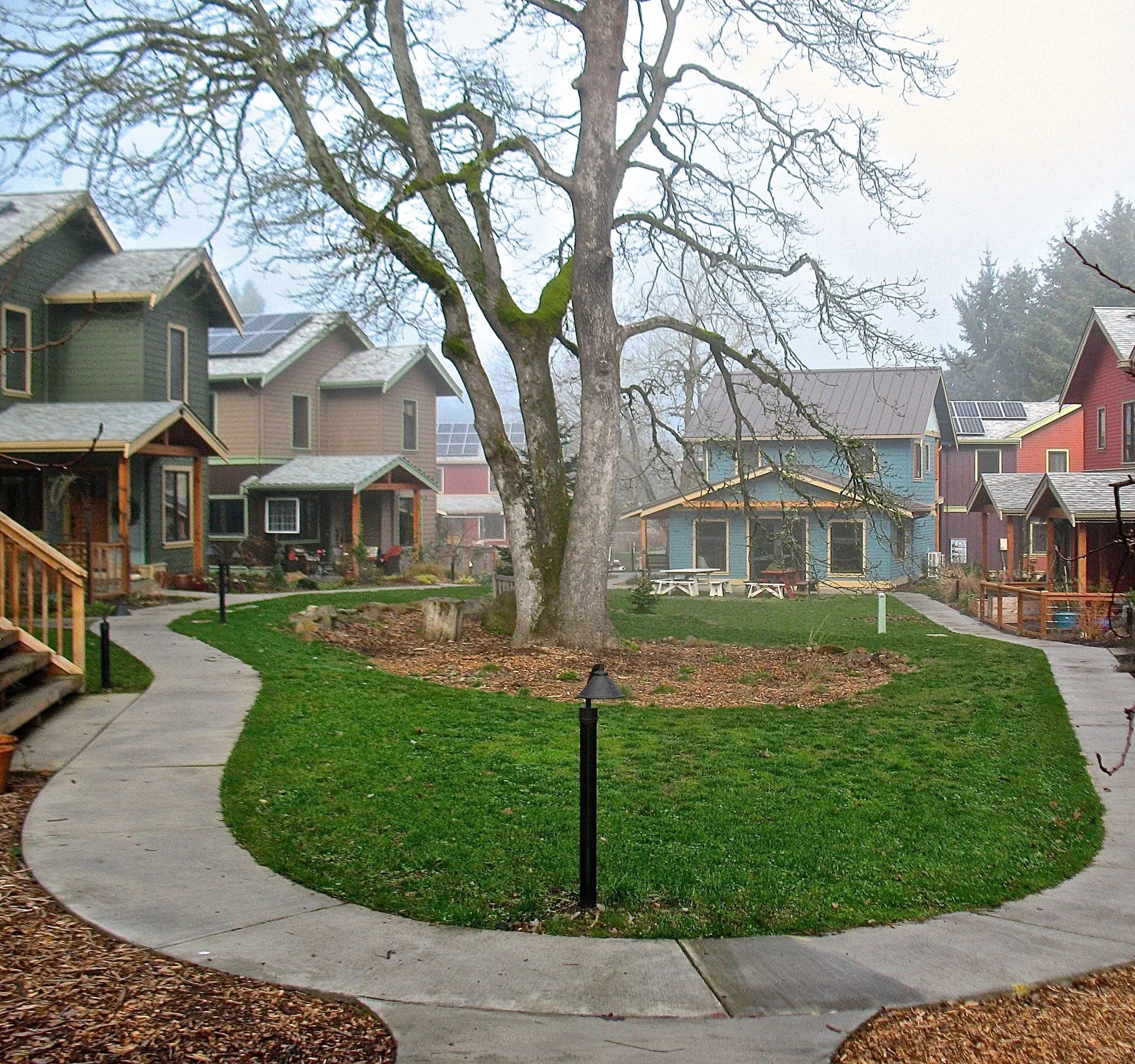
The experience of Oregon provides a useful contrast. On last year’s Incremental Development Alliance national field trip, I toured Portland, where cottage clusters and similar forms are increasingly common. That is not because Portlanders suddenly discovered some architectural form unknown to the rest of America. Oregon changed the rules. State reforms, followed by local implementation, made middle housing and cottage clusters considerably easier to build by right. Once regulatory barriers were removed, developers began doing what developers generally do when people want something they are legally permitted to build: they built it. The resulting proliferation of cottage clusters offers a useful demonstration of how much latent demand for this kind of housing our regulatory systems have suppressed.
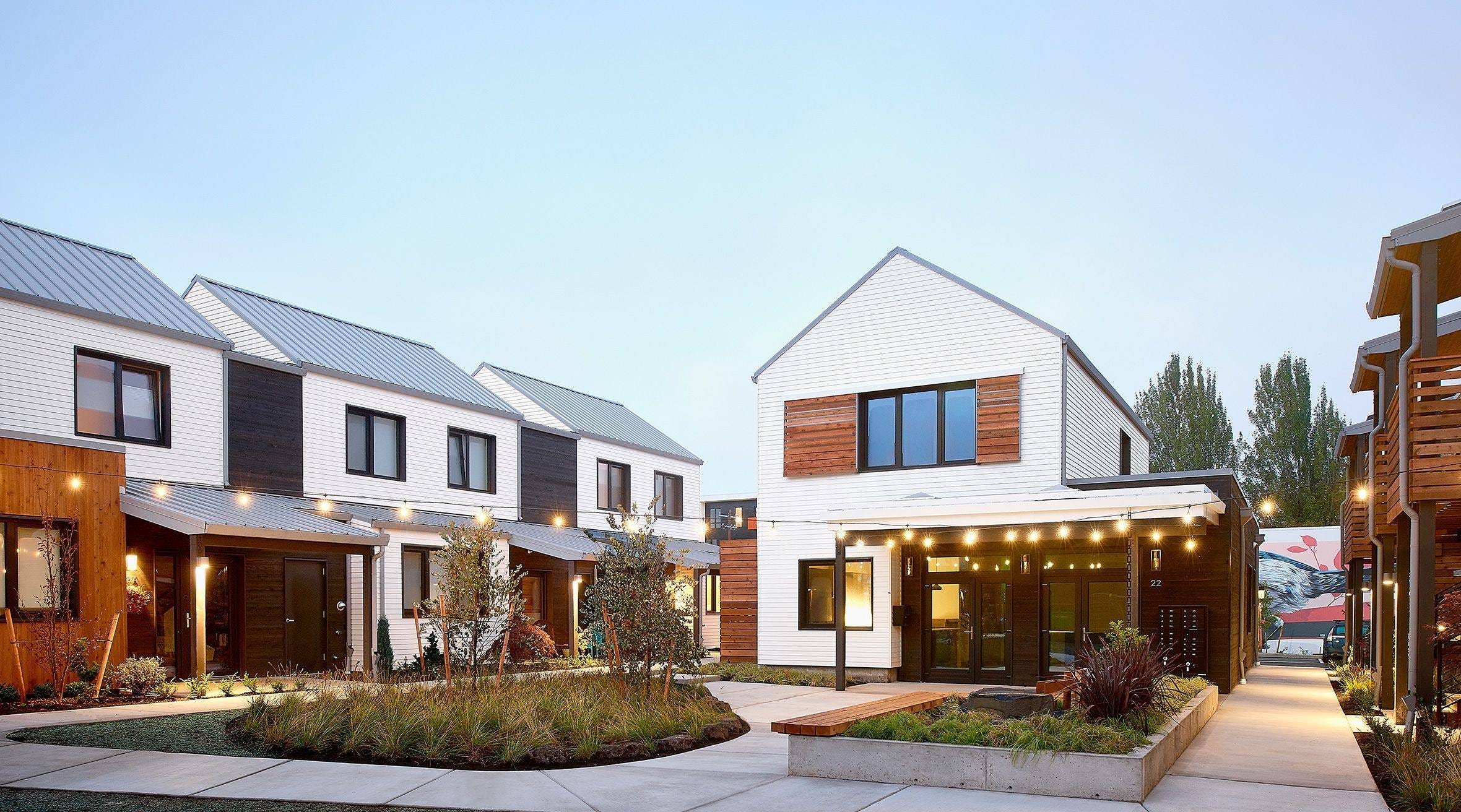
Malone Park Commons remains unusual, and it should not be. The financing environment has only made projects like it harder as interest rates have risen substantially since Jones began the project. Small developers do not possess the financial advantages of institutional developers, while projects of this scale can fall into an awkward middle ground: too small for many conventional development systems and too market-oriented for the machinery surrounding deeply subsidized affordable housing. There is no magic solution to this problem. The math is the math, with no imaginary pile of money availible to make math untrue. The developer ultimately has to make the project survive in a market where rents are constrained by what people can and will pay.
Yet people clearly want places like this, which should surprise no one. Compare a cottage facing a green, with a front porch and neighbors across the way, with the experience offered by much of the institutional multifamily housing being constructed today. The latter may be perfectly competent housing, and density itself is no vice, but it rarely produces this kind of intimate neighborhood. I can only imagine what Durham would look like with ten, twenty or fifty Malone Park Commons scattered around the city: small clusters of cottages and fourplexes tucked onto overlooked parcels, rental neighborhoods surrounding greens, tiny storefronts mixed among homes, and people able to rent something that feels like a house without requiring a detached house on a large lot. The transformation would not arrive as a megaproject. It would, like all good urbanism, accumulate one increment at a time.
Perhaps the most important lesson from Malone Park Commons, however, is not architectural but institutional. There is a tendency in urbanism to imagine change flowing from policy to practice: change the zoning code, adopt the comprehensive plan, rewrite the building code and eventually better places will appear. Jones offers the reverse model. Build something, learn from it, demonstrate that it works and then do it again. Then use the thing itself to make the argument for changing the rules to make it easier for others to do the same.
The Incremental Development Alliance (where I am a faculty member) reports that Jones’s work helped persuade Memphis to reduce minimum lot sizes, making additional housing easier to build. His work also helped influence state and local building codes, creating a more economically feasible path for similar projects elsewhere in Tennessee. “I think we’ve helped set the stage for future development here in the city and across the state,” Jones has said. This is an important reminder that some of the most effective change-makers in urbanism are practitioners. They discover the obstacles because they actually encounter them, and their credibility comes from having built the thing everyone else is debating.
Malone Park Commons is not perfect, and that is almost beside the point. There are things I would design differently and things I hope Jones will do differently on the next one. What matters more is that it exists: 35 rental homes, cottages, fourplexes, porches, a commons and tiny storefronts, built incrementally in a real city under real-world constraints. There are thousands of people talking about how to build neighborhoods like this. But Andre Jones went ahead and did it. Given how difficult we have made that task, he deserves a tip of the cap.

